Layering Kitchen Lighting for Gray Winters
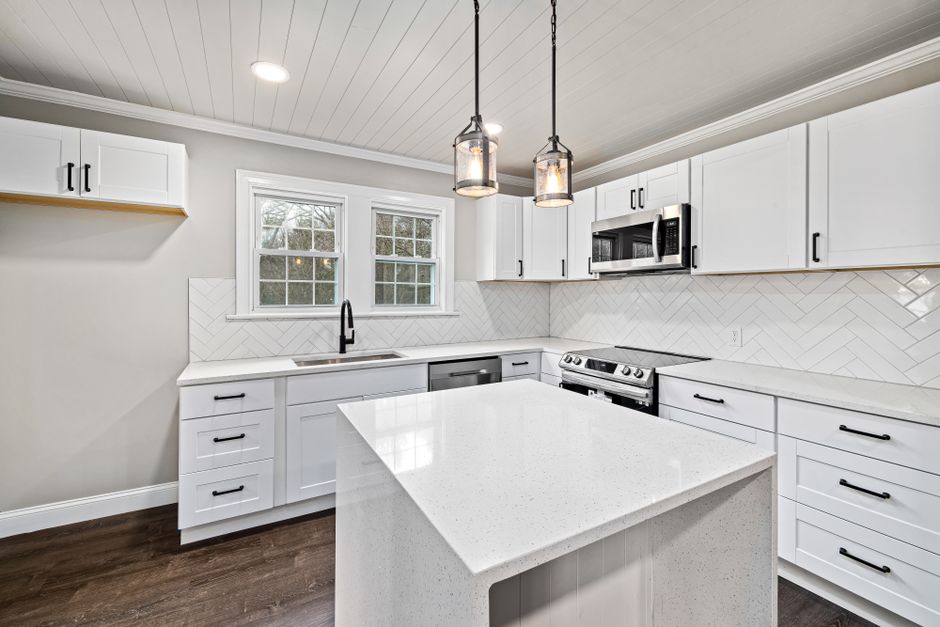
Sunset in mid December comes a little after four in the afternoon, and by then a kitchen near Lake Washington has been working off cloud light for hours. The lighting notes kept at kitchen remodel bellevue wa the scientist video start from that fact, because a kitchen remodel in Bellevue, WA is judged on the dark months, not on a July afternoon when any plan looks fine.
Three layers, each with a job
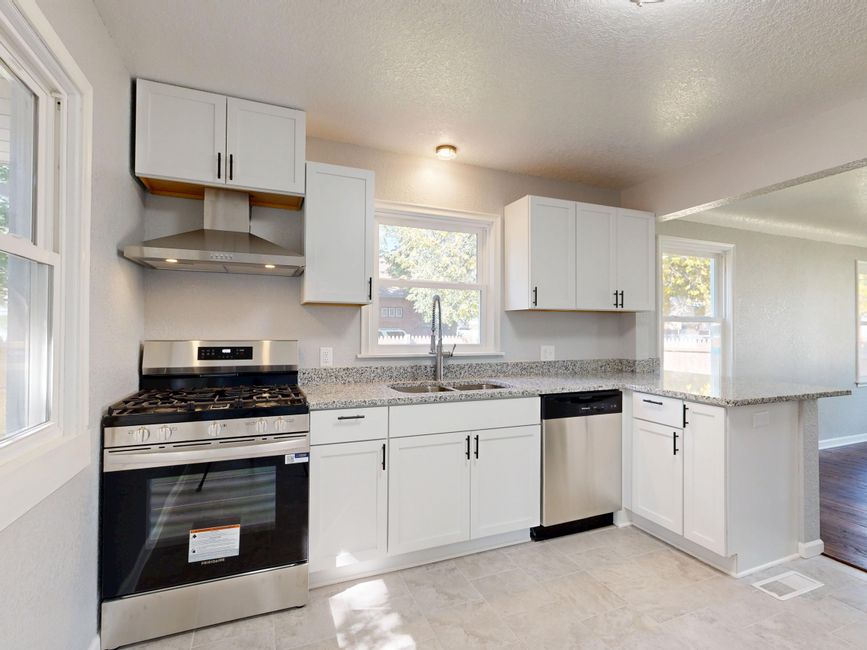
Ambient light fills the room, task light lands on the work surfaces, and accent light picks out a feature such as glass doors or a toe kick. A kitchen that relies on one layer fails in a predictable way. Ceiling cans alone put your own shadow on the counter, because the light comes from behind your shoulders.
Spacing the recessed cans
A common layout puts cans roughly four to five feet apart and about thirty inches off the wall, which lines the beam up with the front edge of the countertops instead of the cabinet doors. On an Eastside ceiling of eight or nine feet, tighter spacing gives smoother light, and wider spacing leaves scalloped pools on the cabinet faces. The cans need to be airtight and insulation rated where they open to an attic.
Under cabinet strips do the real work
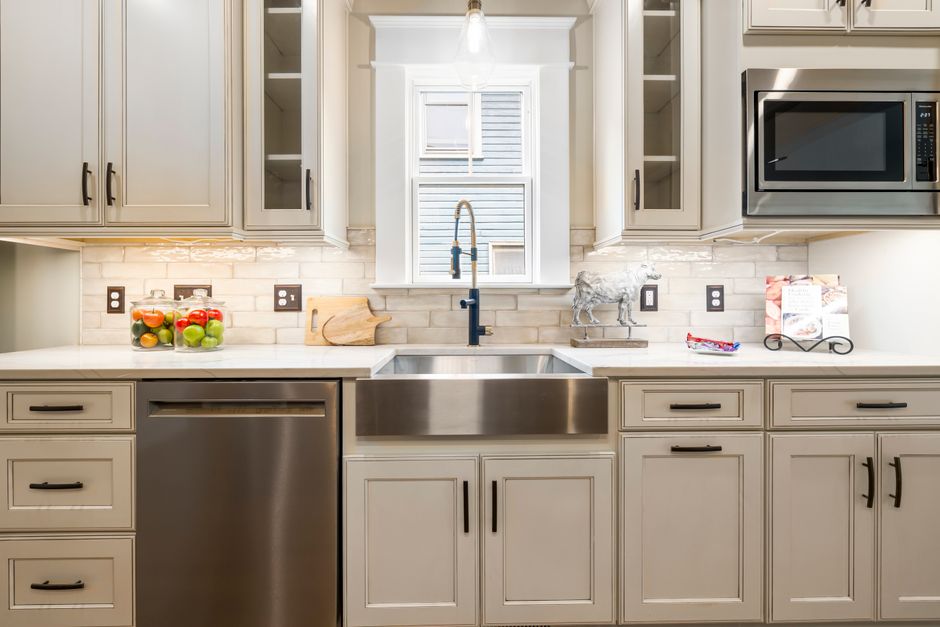
The counter is where knives, hot pans and recipe cards live, so the strip under the upper cabinets matters more than any fixture overhead. Set it toward the front of the cabinet bottom, not against the wall, or the backsplash tile throws a hot streak of glare. Tape or bar fixtures with a matching color temperature across the whole run avoid the patchwork look.
Pendants over the island
Pendants hang about thirty to thirty six inches above the island surface so they light the work without blocking sightlines. Two or three small ones read better than one large fixture in a narrow room. Wire them on their own switch, apart from the cans, so the island can glow on its own on a gray evening.
Dimmers and color temperature
Every layer goes on a dimmer, and the dimmer must be rated for the lamps behind it, or the bulbs flicker at low settings. A warm white near twenty seven hundred kelvin suits evenings, while three thousand kelvin keeps a counter looking clean without turning it yellow. Mixing temperatures between cans and strips is the most common complaint after a first winter.
Reading the daylight honestly
Homes in Crossroads and Factoria with wide windows facing the Eastside hills still lose most of their daylight from November to February, and a kitchen tucked toward the north side of a house near Mercer Slough loses more. Walk the kitchen at three in the afternoon in winter with the lights off before the plan is drawn. Wherever it is dark, that is where a fixture goes.